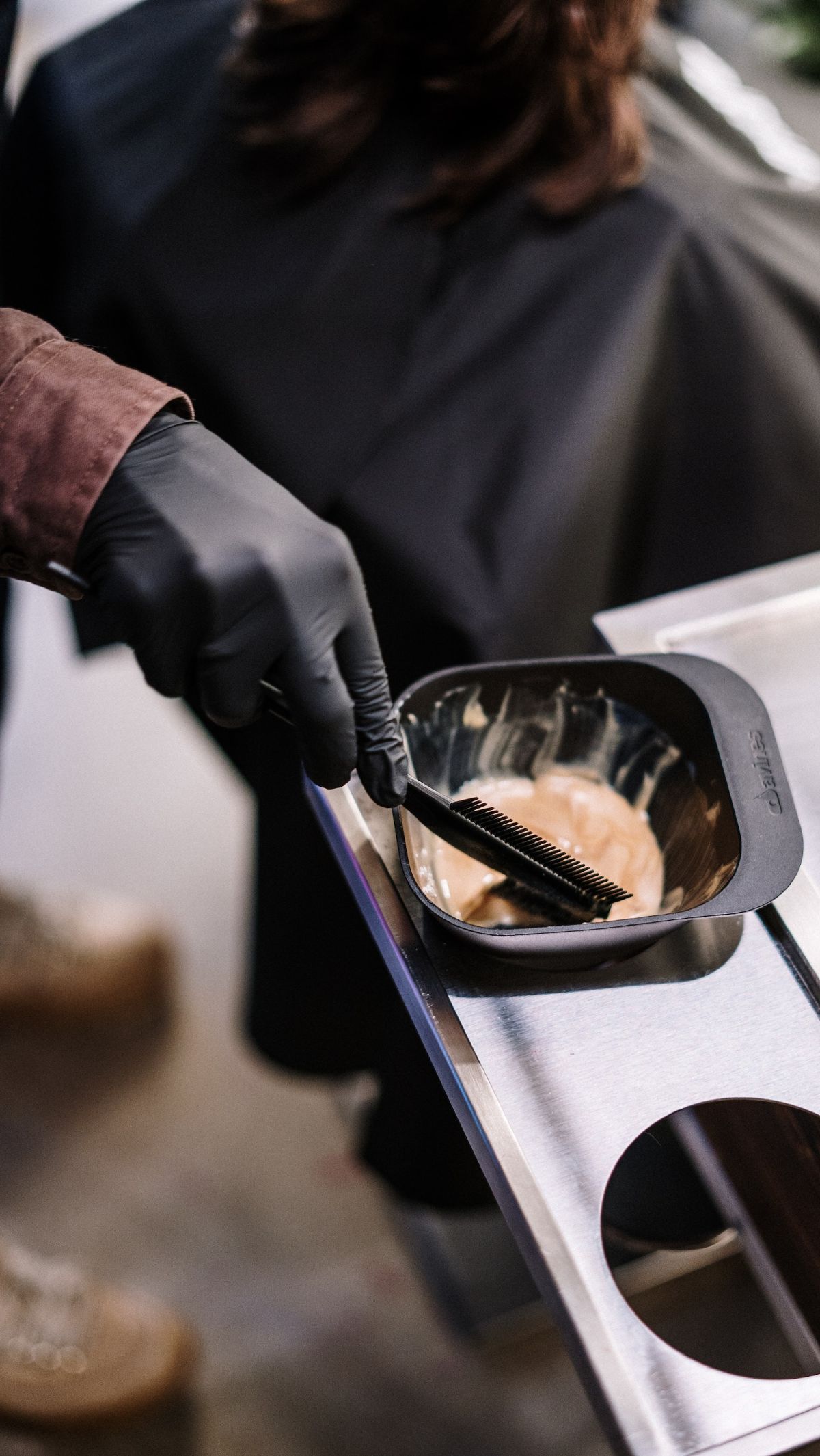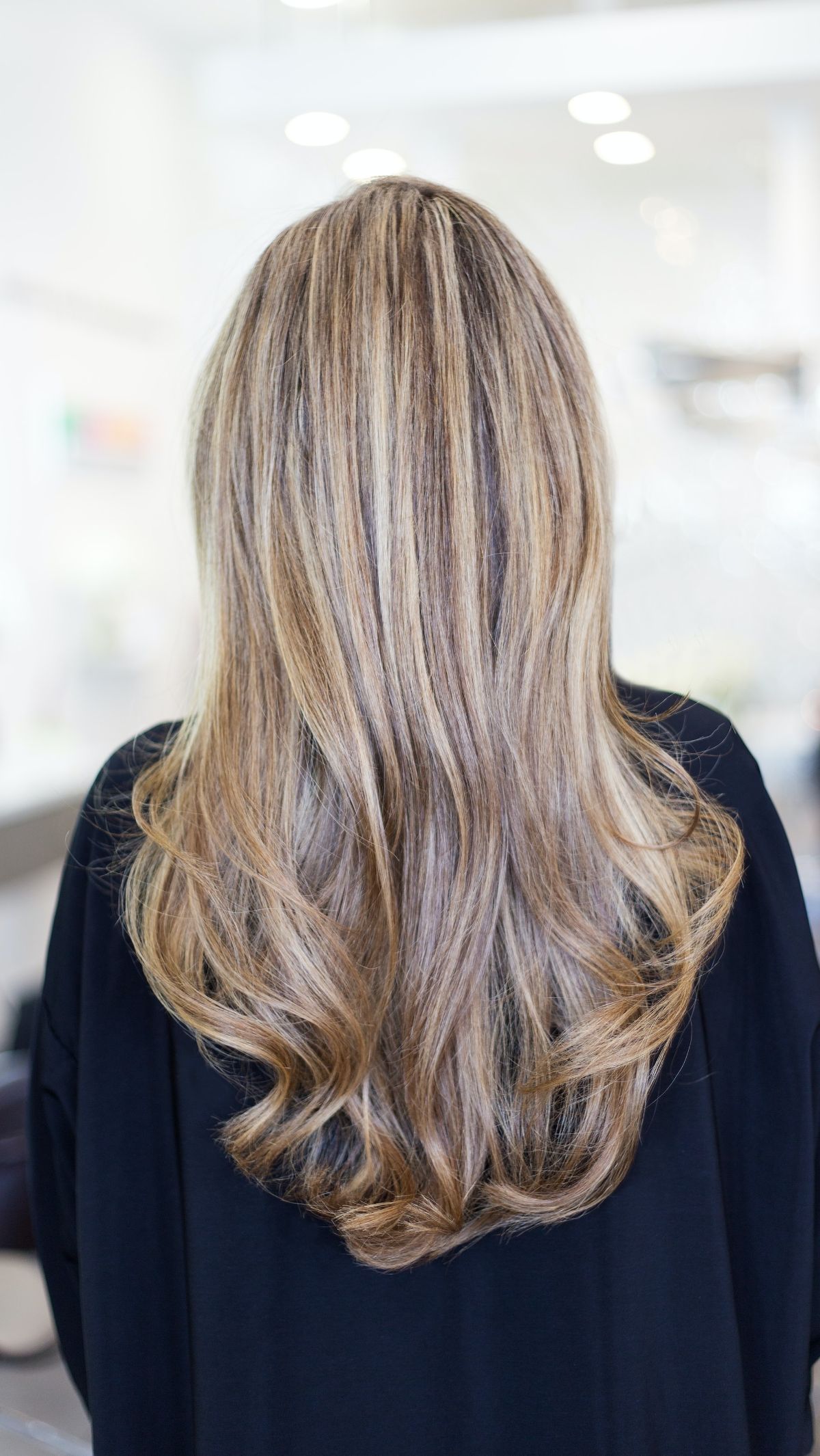


However, many individuals prefer the comfort and cost-effectiveness of bleaching their hair at home. Yet, how to bleach hair needs careful and exact execution to avoid damage. So, knowing how to bleach hair is essential. In this ultimate guide, we will walk you through the steps to bleach your hair at home safely. You will get stunning, stylish results.
Let's check out some tips and tricks on how to bleach hair at home, compiled from numerous sources, on Friday (20/10/2023).
Preparation, careful application, and diligent aftercare are essential to successful hair bleaching. By following these tips, you can achieve your desired look while keeping the health and goodness of your hair. Bleaching hair can be a challenging process. So, it's essential to do it safely to minimize damage and get the best results. Here are some tips on how to bleach hair safely.
• Do a Strand Test: Conduct a strand test before applying bleach to your entire head. It will help you pick the suitable bleach for your hair without risking extreme damage. It also allows you to preview the potential outcome.
• Choose the Right Products: Select high-quality bleach and developer from respected brands. The strength of the developer (volume) should fit your hair type and color goals. Lower volumes (e.g., 20) are less damaging than higher ones (e.g., 40).
• Protect Your Skin and Clothing: Wear old clothes that you don't mind staining, and use a hairdressing cape or an old t-shirt to protect your skin and clothing. Apply a layer of petroleum jelly to your hairline and ears to prevent bleach from touching your skin. You can apply it to the hairline around the face and neck.
• Use Gloves: Always wear disposable gloves when handling bleach and developer. It prevents chemicals from coming into direct contact with your skin.
• Well-Ventilated Space: Bleaching can produce strong fumes. Ensure you're in a well-ventilated area to minimize breathing these fumes. Consider wearing a mask if needed.
• Avoid Scalp Contact: Avoid direct contact with the scalp when applying bleach. Start a centimeter or so away from the roots and work your way down, as the heat from the scalp can cause the bleach to process faster.
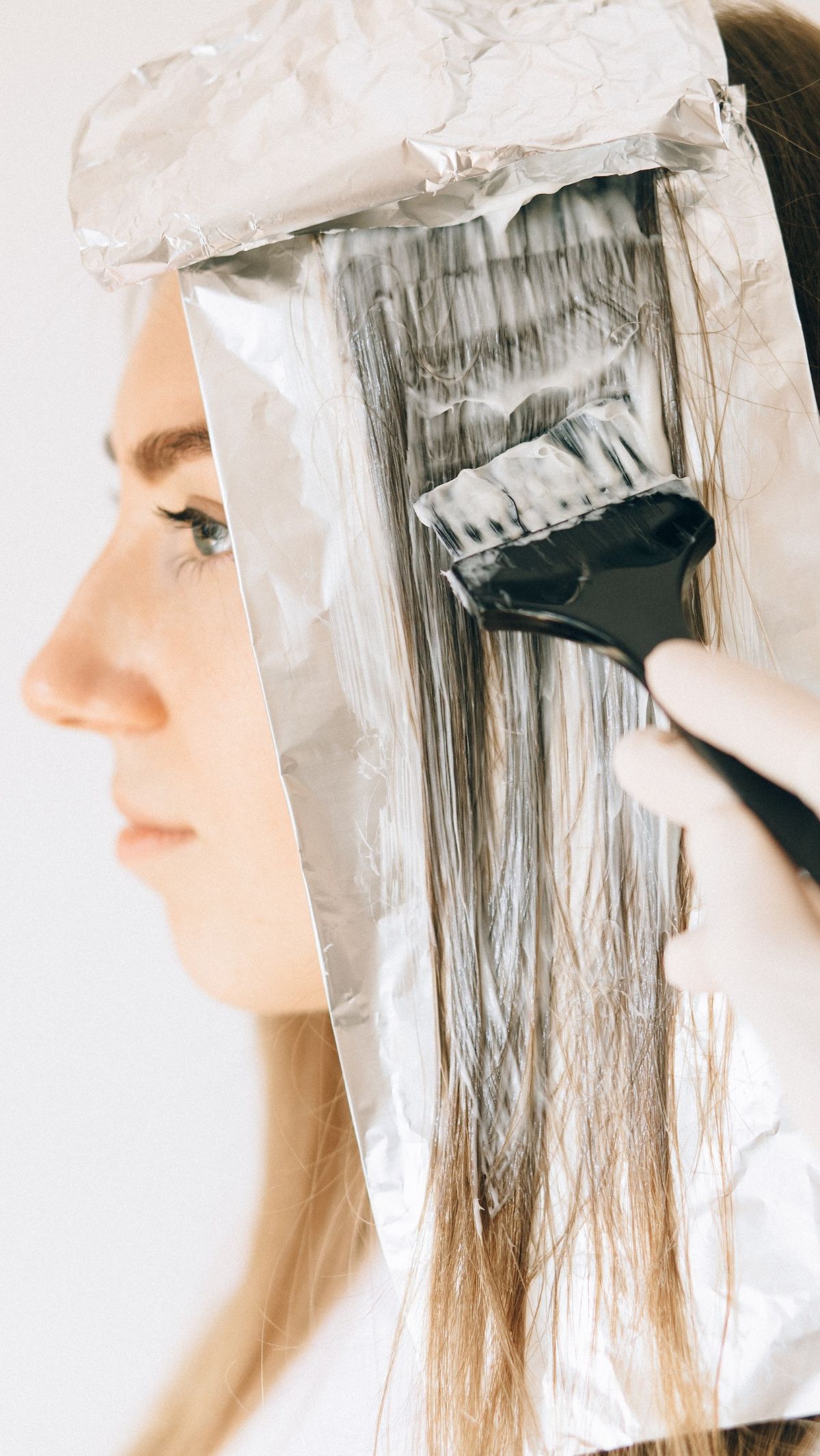
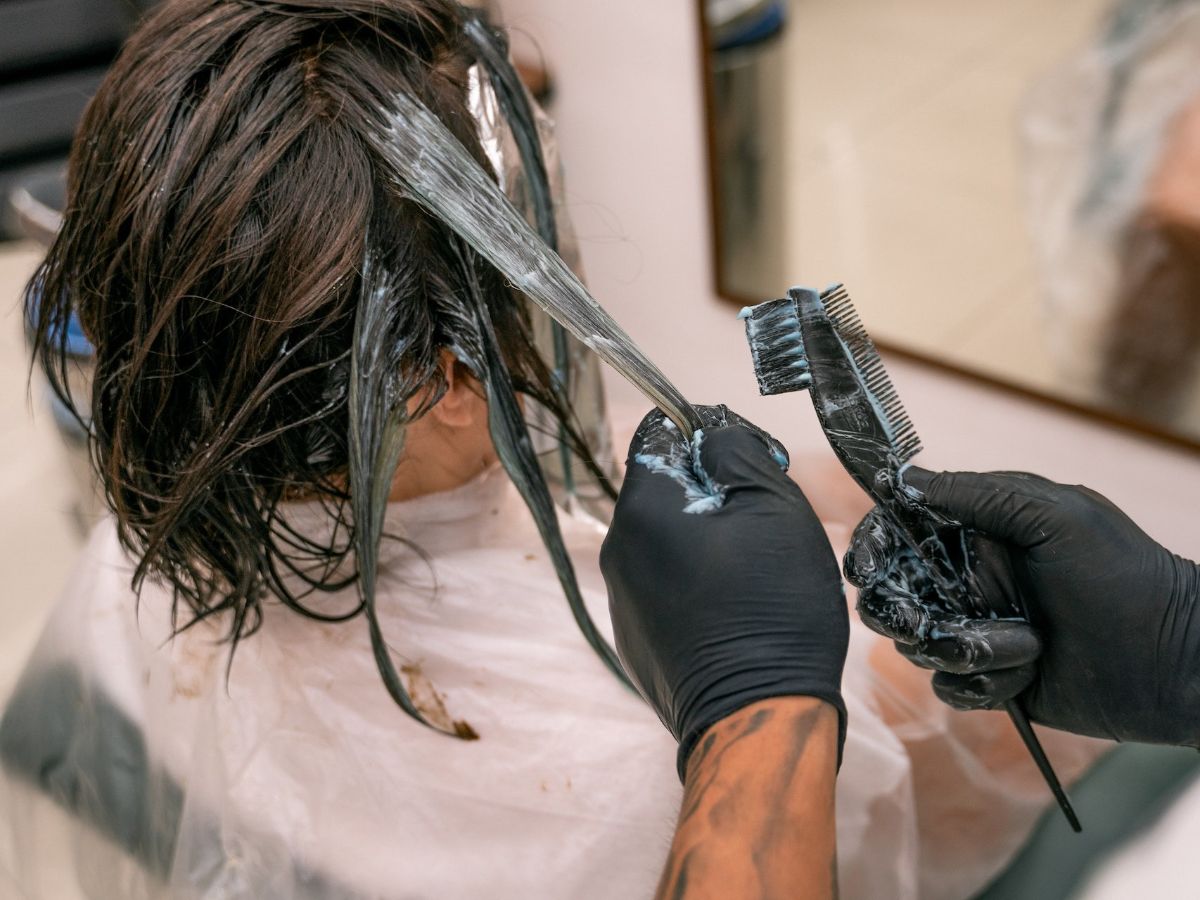
• Even Application: Section your hair into smaller portions and apply the bleach evenly. Use a tint brush to ensure thorough and consistent coverage. This prevents irregular lightning results.
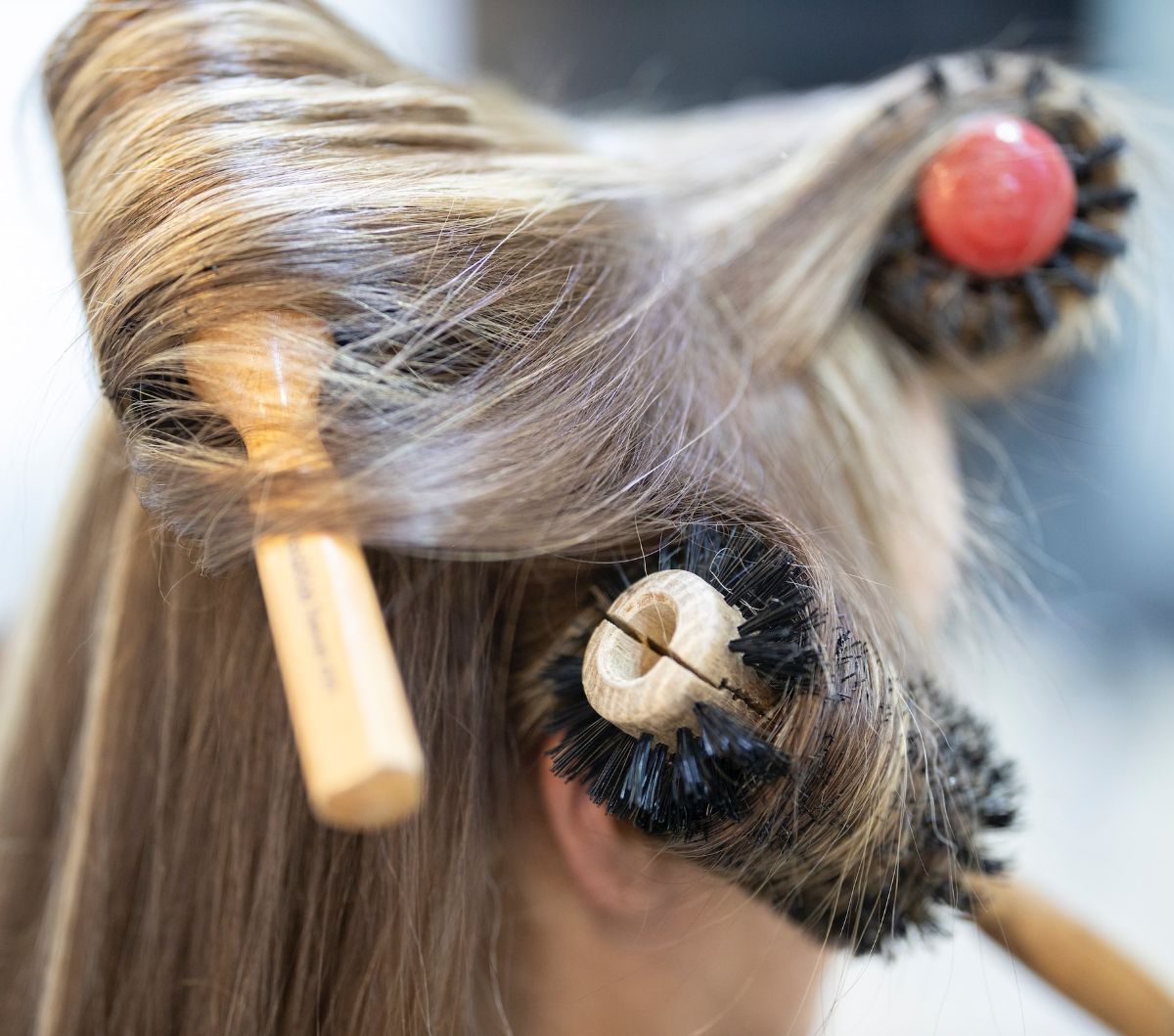
• Keep an Eye on Processing Time: Monitor the development of your hair color throughout the process. Avoid leaving bleach on longer, as overprocessing can cause damage and breakage.
• Rinse Thoroughly: Rinse your hair with lukewarm water after the recommended processing time. Continue rinsing until the water runs clear. Using a gentle sulfate-free shampoo can help remove any remaining bleach.
• Toner (if necessary): Use a hair toner to neutralize any unwanted undertones and reach your desired shade of blonde. This step can help you avoid brassy or overly yellow results.
How to Bleach Hair at Home
• Protect from the Sun and Chlorine: Avoid UV rays from the sun and chlorine from swimming pools. These activities can fade and damage bleached hair. Wear a hat or use UV-protective hair products to shield your locks.
• Regular Maintenance: Invest in quality hair care products specifically designed for color-treated hair. These products help keep the vitality and health of your newly bleached hair.
• Consult a Professional if in Doubt: If you are unsure about any part of the bleaching process, consult a professional stylist for guidance.
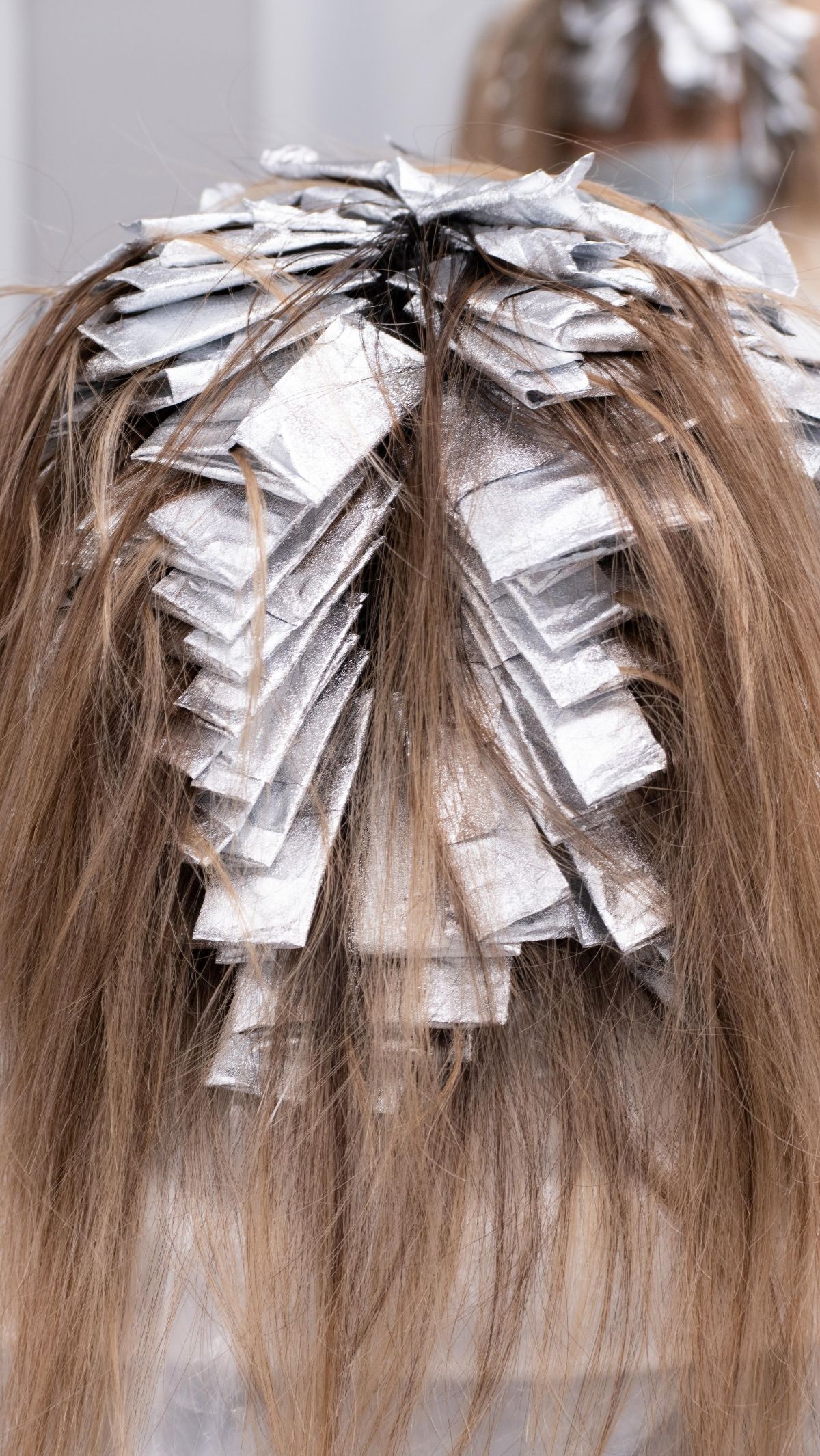
Before starting the bleaching process, it's crucial to know the present condition of your hair. Consider your hair type, texture, color, and any previous chemical treatments. If your hair is damaged, brittle, or heavily processed, consult a professional stylist to avoid additional harm.
Perform a strand test to choose the optimal development time for your hair. Mix a small amount of bleach and develop according to the product instructions. Then, apply it to a hidden section of your hair and monitor the color change.
You can also apply it to your skin. An allergy test can be done by applying the hair bleaching cream to the inside of the elbow. Leave it for 24–48 hours, then see its reaction. Do not use the hair bleaching cream if the skin feels itchy, red, or swollen. This helps you avoid over-processing or under-processing your hair during the complete application.
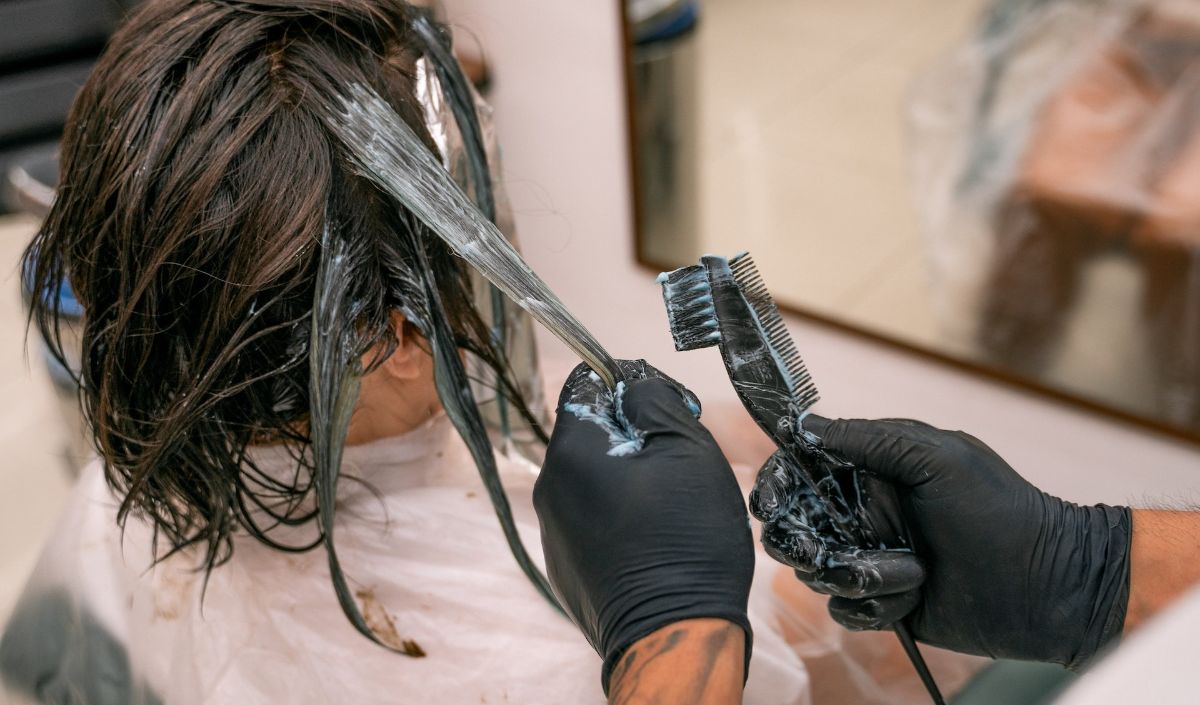
Wear old clothes, a hairdressing cape, and disposable gloves. This clothing protects your skin and clothing from bleach splatters. Apply a layer of petroleum jelly to your hairline and ears.
How to Bleach Hair at Home
How to Bleach Hair at Home
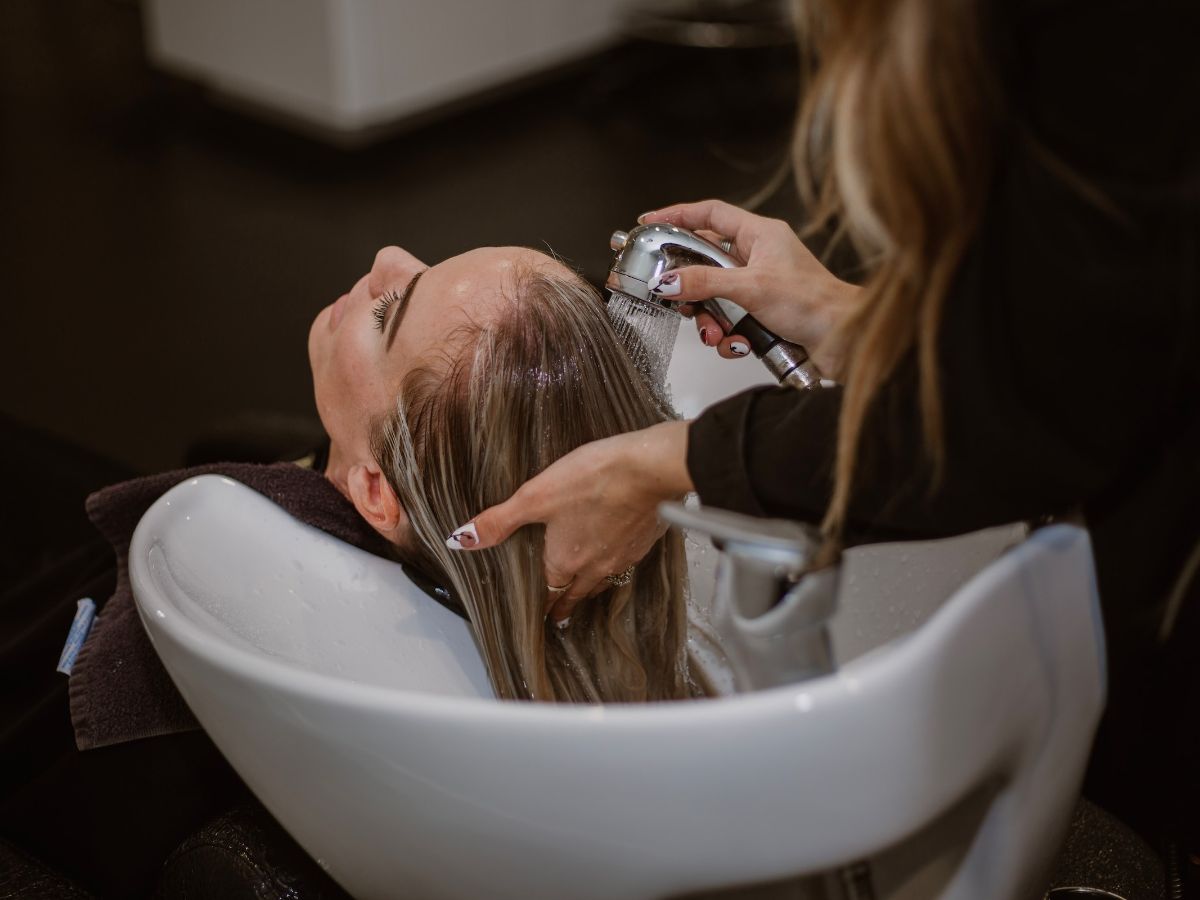
Totally rinse bleach out of your hair with lukewarm water. Follow up with a color-correcting toner to reach the desired shade of blonde or pastel.
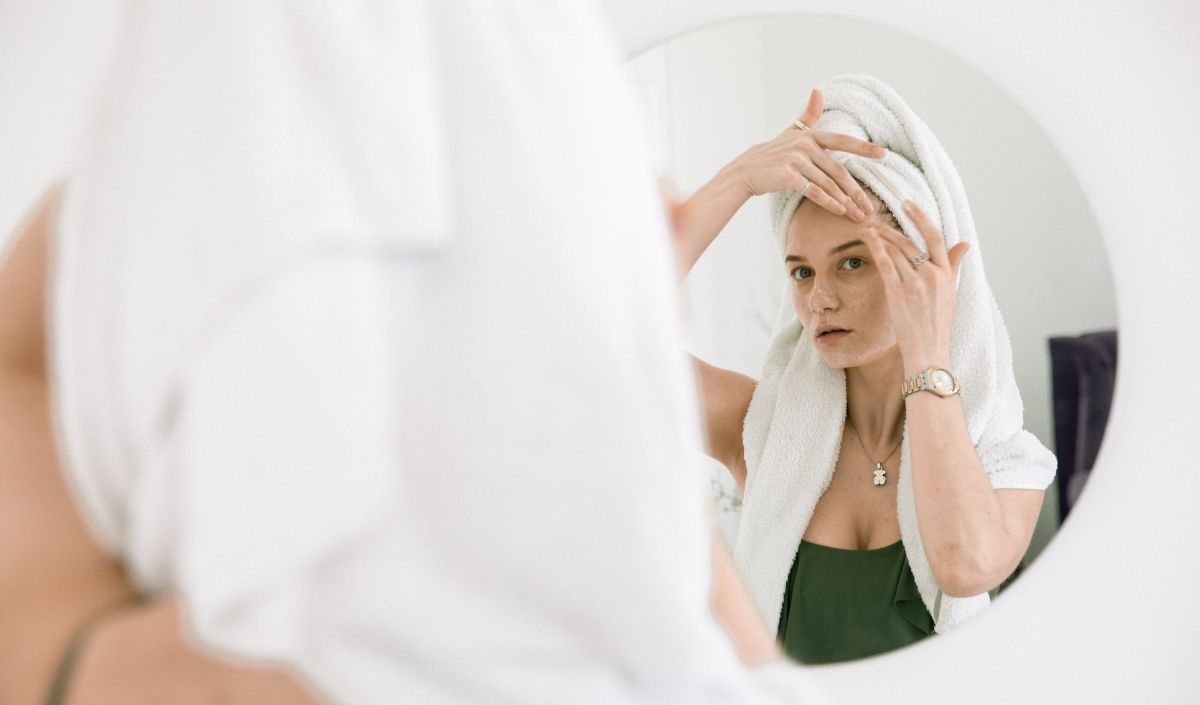
After bleaching, your hair will need extra care. Use a deep conditioning treatment to restore moisture and health to your hair. Limit heat styling, and use heat-protectant products when you do.
How to Bleach Hair at Home
Yet, how to bleach hair needs careful and exact execution to avoid damage. So, knowing how to bleach hair is essential.